

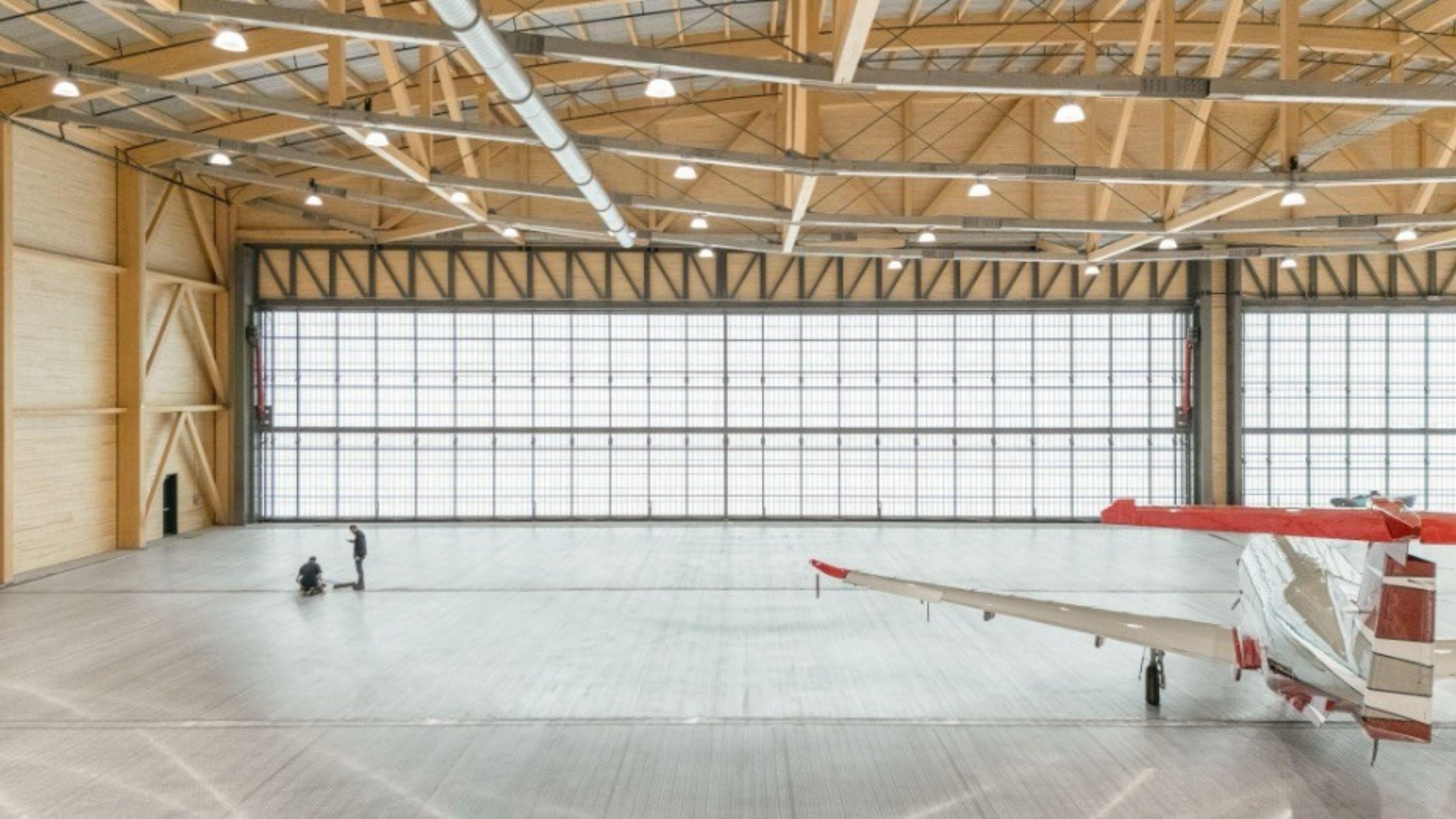
The defining feature of a movie theater roof is the span. Auditoriums are built column-free so nothing blocks sightlines, which means 80 to 150 feet of unbroken deck per house, and on a multiplex you have a whole row of those bays side by side. That clear span deflects and moves differently than a stubby retail roof, and a fastening pattern borrowed from a strip center doesn't fit it. We size attachment and insulation fastening to the actual deck type and span we find on site, not to a template.
Spokane's cinema market gives us the full range to work with. The big stadium-seating multiplexes sit out on the commercial pads, the Regal complex near the Spokane Valley Mall off I-90 and Sullivan, the AMC at NorthTown Mall on the Division corridor, and the cinemas anchoring the Northpointe and Wandermere retail areas up north past US-395. Downtown and in the neighborhoods you still find smaller independent houses with very different roof construction. Each one gets scoped on its own bones.
The Rooftop HVAC Density Rivals a Hospital
Theaters move a huge volume of conditioned air for a packed house, and most of that equipment lives on the roof. You typically get a dedicated rooftop unit per auditorium, plus concession exhaust, lobby heating vents, and condensers for the walk-in coolers behind the food service. The penetration cluster over a Spokane multiplex looks more like a data center than a retail box, and every curb, duct, and conduit run is its own flashing detail that has to be inspected and re-flashed before new membrane goes over it.
Insulation Does Double Duty: Energy Code and Sound
On a cinema the roof assembly is also part of the acoustic envelope. A wet or compressed insulation layer doesn't just waste energy, it lets outside noise, and Spokane gets plenty of wind, rain on the deck, and aircraft on certain approaches, bleed into a quiet auditorium during a film. We rebuild the insulation as a continuous, dry, properly attached layer that holds its thermal value and keeps the deck's sound performance intact. White TPO over tapered polyiso is our common spec here, which corrects decades of accumulated drainage problems and meets the cool-roof requirements most jurisdictions now apply to commercial reroof permits.
Spokane Snow on a Flat Theater Roof Needs Real Drainage
A big low-slope cinema deck collects a lot of snow, and the original drainage on an older theater is almost always tired, ponding rings, sagging field, undersized or sluggish drains. Tapered polyiso re-establishes positive slope to the drains and scuppers and gets standing water off the membrane, which is the single biggest thing you can do to extend the life of a flat roof in our climate. We pair that with confirming primary and overflow drainage can actually clear a Spokane snowmelt event.
Recover or Replace Comes Down to a Core Sample
A lot of Spokane theaters are old enough to be on their second or third roof, and the question owners ask first is whether they can recover over what's there or have to tear off. That isn't a guess, it's a core sample. We cut cores to confirm how many existing layers are in place, whether the insulation is wet, and what the total weight-in-place is, because code limits the number of roof layers and a saturated layer has to come off regardless. If the cores come back dry and the assembly is within limits, a recover over the existing roof can save real money and keep the building dry through one phase. If they come back wet, we tell you, because recovering over wet insulation just buries the problem and voids the warranty. The decision follows the cores, not the cheaper line item.
Working Around the Show
Cinemas run afternoon into late night, seven days a week, so the schedule looks like a 24-hour building. Each roof section has to be watertight before the evening shows start, HVAC shutdowns for curb work get coordinated with facilities management, and we keep the crew and equipment clear of evening entry traffic. Marquee and entry-canopy attachments, a classic chronic-leak source on older theaters, get treated as individual flashing items and re-detailed as part of the job.
- Size attachment to the actual clear-span deck, not a retail template.
- Inspect and re-flash the dense per-auditorium HVAC penetration field.
- Rebuild insulation as a continuous, dry layer that protects energy value and acoustics.
- Use tapered polyiso to fix ponding and clear Spokane snowmelt to the drains.
- Sequence work around the screening schedule and re-detail marquee and canopy connections.
Movie Theater Roofing Questions
What membrane do you usually specify for a multiplex?
Sixty- or 80-mil TPO mechanically attached over tapered polyiso is the common cinema spec in Spokane. The tapered iso corrects the drainage problems flat theater roofs accumulate, and white TPO meets the cool-roof requirements most jurisdictions apply to commercial reroof permits. We add reinforced walkway pads near the rooftop units to protect the membrane from service traffic.
How do you deal with the large clear-span decks?
Large-span steel deck needs fastener patterns and pull-out testing matched to the rib depth and gauge, so we verify the deck before specifying attachment, older short-rib deck has lower pull-out values than modern 3-inch rib. Where deflection is a concern we may use an adhered or hybrid system to avoid concentrating point loads at the seams.
Does the roof affect sound inside the auditorium?
Yes. The insulation layer is part of the acoustic envelope, so wet or compressed insulation lets exterior noise into a quiet house. We rebuild it as a continuous, dry, properly attached layer that holds both its thermal value and the deck's sound performance.
Can you work without shutting down the cinema?
Yes. We plan around the screening schedule, sequencing tear-off and dry-in so each section is watertight before evening shows, and we coordinate any HVAC shutdown windows for curb and penetration work with facilities management.
Do you handle the marquee and entry canopy connections?
Yes. Marquee and canopy supports that penetrate the membrane are treated as individual flashing items, and the entry canopy-to-building transitions, a frequent chronic-leak source on older theaters, get evaluated and re-flashed as part of the project.