

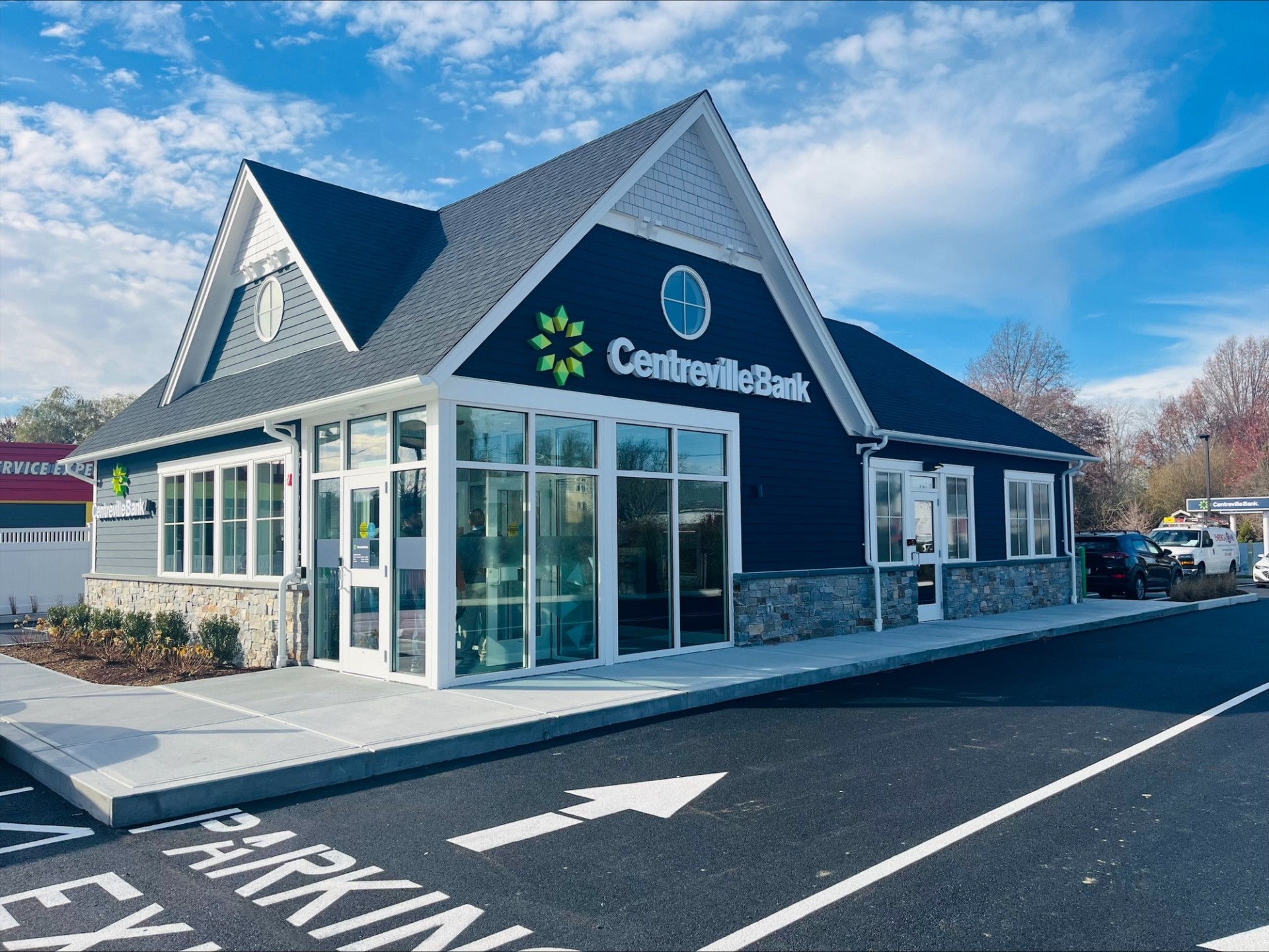
A bank branch is a small building with an outsized intolerance for water. The roofs aren't large, a typical branch is a modest low-slope rectangle, but underneath sits a vault, a server room, an ATM vault, and a customer floor where one ceiling stain becomes a closed lobby and an emergency call. These are also some of the most visible little roofs in town, sitting on corner lots along busy roads where a sagging gutter or a streaked parapet reads to every car at the light. So bank roofing is less about square footage and more about precision, appearance, and working without ever interrupting business.
Spokane is the banking center of the Inland Northwest, headquarters for STCU and Numerica among the region's larger credit unions and home to branches of the national banks scattered through downtown along Riverside and out the retail corridors on North Division and through Spokane Valley. That mix means we work both ends of the market: single community-bank and credit-union buildings, and portfolio branches managed from a corporate real-estate desk.
The Drive-Through Canopy Is the Usual Culprit
If a bank branch has a chronic leak, the drive-through canopy is the first place we look. The detail where the canopy roof ties into the main building wall takes constant thermal cycling, a little differential settlement, and overspray off the lanes, and the standard retail flashing it was built with rarely holds up to all three for the long run. We scope that transition as its own item, separate from the field membrane, and re-flash it with a detail built for the movement it actually sees. Replacing the main roof and leaving that connection alone just relocates the frustration, the field membrane was never the thing leaking.
Branch roofs also carry more penetrations than their size suggests: the drive-through canopy, ATM kiosk enclosures, a generator transfer-switch room with its own exhaust, and precision cooling for the server and network closet. Each of those is a discrete flashing detail, and on a roof this small they're close together, which makes clean workmanship around them matter even more.
Security Shapes the Schedule
Financial buildings come with access rules most commercial properties don't. Contractor badging, escorts for anything near the vault, and camera documentation of who's on the roof and when are routine at bank-owned properties. We build that security coordination into the schedule and crew credentialing up front so it's part of the plan, not a surprise that adds days after the contract is signed. Before we mobilize we identify vault and secure-room locations from the drawings and sequence work over those zones into approved windows.
No Disruption to the Lobby
Branches run business hours, generally Monday through Saturday, and the work gets staged around them. We concentrate loud tear-off and installation into off-hours and weekends where the branch allows it, keep noise down during teller and customer-service hours, and confirm the roof is dried in before the doors open each morning. The branch manager and the corporate facilities contact get the work windows, the noise plan, and any escort requirements in advance.
How we approach a branch roof
- The drive-through canopy-to-wall transition is evaluated and re-flashed as its own scope item.
- Vault and server-room zones are located from the drawings and worked during approved windows.
- Visible edge metal, gutters, and parapets get attention because the roofline is on display.
- Daily dry-in is confirmed before the branch opens for business.
Why a Small Roof Is Often the Right Coating Candidate
Because branch roofs are small and the cost of an interior failure is so high, they're frequently better served by a planned maintenance and restoration program than by waiting for a tear-off. A sound but aging branch membrane can often be cleaned, detailed, and recoated with a reflective silicone or acrylic system that buys years of additional service and renews the warranty without ever closing the lobby. On a small footprint the coating math works in the owner's favor, and the reflective surface trims summer cooling load on the server room and the customer floor, a real benefit on a low-slope roof that bakes all afternoon. We're candid about when a roof is past coating and genuinely needs replacement; the point is to match the spending to the roof's actual condition rather than defaulting to the biggest scope.
That same small footprint makes a regular inspection cadence cheap and worthwhile. A drone or walk inspection once or twice a year catches the canopy flashing, the equipment curbs, and the drains before any of them becomes the leak that empties a branch for a day.
Single Branches and Portfolio Programs
For community banks and credit unions managing one or two Spokane buildings, we work directly with the facilities lead. For national institutions running a portfolio, we plug into the preferred-vendor program, the standardized scope documentation, and the national-account pricing framework, and we give the corporate team a single project-management contact across every branch in the program. The closeout is the same in both cases: insurance and license verification before mobilization, a preconstruction safety plan, daily work and dry-in reports, manufacturer warranty registered in the owner's name, and the final permit and inspection package.
Bank & Financial Building Roofing Questions
How do you schedule roofing work around bank operating hours?
We concentrate active tear-off and installation into off-hours and weekends where the branch allows, with daily dry-in confirmed before the doors open each morning. Work windows, noise limits during customer-service hours, and any security escort requirements are coordinated with the branch manager and corporate facilities team in advance.
How do you handle the drive-through canopy-to-building connection?
It's treated as its own flashing item, not rolled into the field membrane scope. The canopy-to-wall transition is evaluated separately and, if it's deteriorated, re-flashed with a detail built for the differential movement these connections see. It's the most common source of chronic branch leaks and is never solved by replacing the field membrane alone.
What documentation do financial institutions require?
Typically contractor insurance certificates and license verification before mobilizing, a preconstruction safety plan, daily work and dry-in reports, manufacturer warranty registered in the owner's name, and a final permit and inspection package. We work within each institution's vendor-management process for approved-contractor registration.
Can you work on buildings with active vaults or secure areas below?
Yes. We identify vault and secure-room locations from the drawings before mobilizing, sequence work on those roof zones into approved windows, and confirm with the security team that no active operations are affected by vibration or temporary access changes during the work.
Do you handle multi-site bank roofing programs?
Yes. Portfolio programs, a regional bank with twenty branches or a national institution with locations across Washington, are a regular part of our work. We provide standardized scoping, documentation, and pricing across the portfolio, with one project-management contact for the corporate facilities team.