

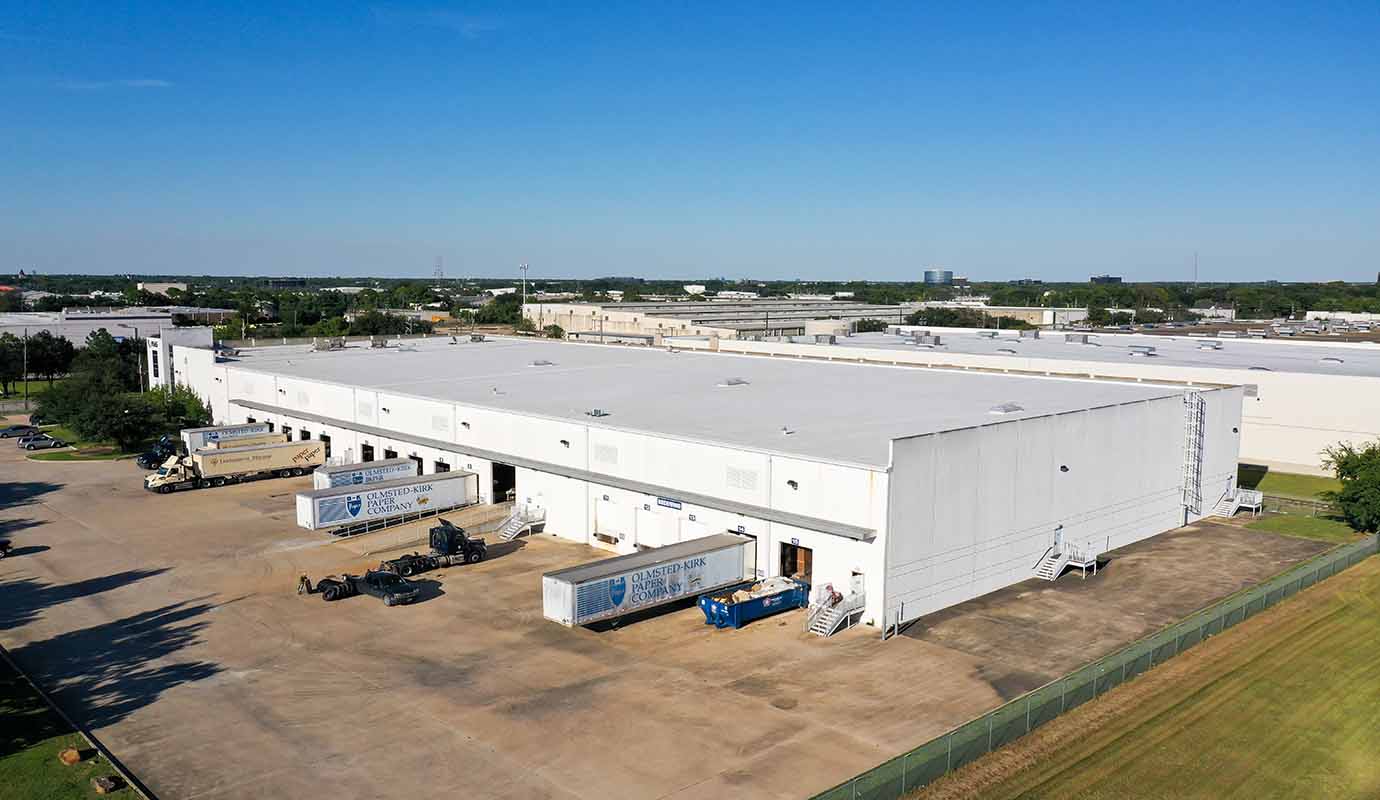
Spokane occupies a strategic position as the commercial hub of the Inland Northwest, serving eastern Washington, northern Idaho, and the agricultural regions of eastern Montana, and its commercial real estate market has attracted institutional attention as investors look beyond saturated coastal markets for yield. Broadstone Net Lease, a diversified net-lease REIT with holdings spanning industrial, office, and healthcare properties across secondary and tertiary markets, has properties in the Spokane metro, and regional industrial platforms driven by distribution and logistics operators have built significant footprints along the I-90 corridor west of downtown and in the Airport District near Spokane International. For roofing contractors, this institutional ownership landscape creates opportunities for multi-property preferred vendor relationships that provide the recurring revenue base that one-off project markets cannot match.
Multi-property preferred vendor programs in Spokane's institutional commercial market require contractors to demonstrate competency in the specific climate conditions that differentiate eastern Washington from the wetter western side of the Cascades. Spokane averages just 16 inches of annual precipitation but receives significant snowfall, typically 40 to 50 inches per year, and the combination of cold winters, modest precipitation, and hot dry summers creates a roofing performance environment that is more similar to the high-altitude Mountain West than to coastal Pacific Northwest markets. Contractors who win preferred vendor status with Spokane REITs understand these dynamics and build maintenance programs around the freeze-thaw, snow-load, and thermal cycling patterns that define Spokane's commercial roofing calendar.
Snow load is the primary acute weather risk for Spokane commercial rooftops, and REIT asset managers who have managed properties through the city's periodic heavy snowfall events understand exactly how expensive unpreparedness can be. Spokane has experienced multiple winters in the past decade where a single storm deposited 24 to 30 inches of snow over 48 hours, and the wet, dense snow that characterizes Spokane's snowfall events, heavier per inch than the lighter powder typical of mountain resort areas, creates roof loads that challenge buildings designed to minimum code-compliant structural standards. Emergency snow removal from a commercial rooftop during a major event can cost $15,000 to $50,000 depending on building size and snow depth, and REIT asset managers who have not pre-established relationships with contractors capable of rapid large-scale snow removal operations are at a serious disadvantage when the phone call comes at 2 AM.
Net operating income for Spokane industrial and retail properties is sensitive to the winter performance of roofing and drainage systems in ways that asset managers from warmer climates sometimes underestimate. When a Spokane industrial tenant's distribution operations are disrupted by a roof failure during a December snowstorm, the NOI consequence extends beyond the repair invoice to include potential rent abatement claims, landlord liability for damaged inventory, and the lease renewal risk that comes from a tenant who has experienced operational disruption at their facility. Preferred vendor programs that include proactive winter monitoring, pre-storm drain clearing, post-storm roof inspection, and emergency response protocols, convert the acute risk of winter weather events into a manageable and budgeted operating cost rather than an unpredictable NOI threat.
Capital expenditure planning for Spokane commercial roofing programs must account for the thermal cycling extremes that eastern Washington's continental climate imposes. Spokane's summer temperatures regularly exceed 95 degrees Fahrenheit, while winter temperatures drop below zero, creating an annual temperature swing that exceeds 100 degrees. This thermal range subjects TPO and EPDM membranes to expansion and contraction cycles that accelerate seam fatigue and penetration flashing failure at rates that moderate-climate benchmarks do not capture. Ten-year CAPEX models for Spokane roofing programs should apply a useful-life discount of 15 to 20 percent relative to national membrane benchmarks and should include annual seam integrity inspection as a standard preventive maintenance line item. Models built on coastal California or Southeast assumptions will systematically understate Spokane's maintenance cost reality.
Property condition assessments prior to Spokane commercial acquisitions are most accurately conducted in late April or May, after the snow season has revealed winter damage but before summer heat conceals developing membrane failures. A PCA on a Spokane industrial building in late spring will typically document drain conditions after the freeze cycle, flashing conditions at parapet wall cap joints where ice pressure has been working on lap seams, and any structural deflection of roof decks that absorbed unusual snow loads during the winter. These findings, documented with photographic evidence while the damage evidence is still fresh and visible, give buyers the factual basis for purchase price negotiations that reflect the true cost of bringing the roofing asset to market-standard condition.
The healthcare and higher education segments are important drivers of commercial roofing demand in Spokane, where Providence Health and Multicare Health System drive a large medical employment base, and Washington State University's Health Sciences campus in Spokane has driven significant life sciences and medical education facility development on the South Hill and University District. Healthcare and education facility owners in Spokane have specific roofing requirements that go beyond standard commercial standards, including HVAC coordination requirements for clinical spaces, maintenance scheduling that avoids disruption to occupied educational and research buildings, and the specific penetration waterproofing standards applicable to laboratory exhaust and medical gas systems. Contractors with documented experience in these specialized segments are well positioned to build relationships with the institutional healthcare and education property owners who represent a growing share of Spokane's commercial real estate market.
Investor reporting for Spokane REIT portfolios follows the institutional standards that national net-lease and industrial REITs apply uniformly across their portfolios, adapted for a secondary market where building operating costs and climate risks differ meaningfully from the coastal gateway markets that dominate most institutional investors' mental models. LP advisory boards reviewing Spokane assets want to see that the asset manager understands eastern Washington's specific snow-load and thermal cycling risks, has current roof condition documentation that reflects post-winter inspection findings, and has built CAPEX models that reflect Spokane's construction cost environment and seasonal installation constraints. Contractors who provide standardized, auditable inspection reports with condition scoring and forward-looking cost estimates help asset managers satisfy these reporting requirements credibly.
Spokane's commercial roofing market for institutional property owners rewards contractors who understand the local climate reality in enough depth to build it into their service offerings. The eastern Washington continental climate, wide thermal swings, significant snow, and hot dry summers, creates maintenance demands that national industry benchmarks consistently underestimate. Roofing firms that have invested in Spokane-specific technical knowledge, built emergency winter response capabilities, and developed the documentation systems that institutional clients require are the ones winning the preferred vendor relationships that define sustainable commercial roofing businesses in secondary markets. In a city that larger regional firms sometimes overlook, genuine institutional capability is a meaningful competitive differentiator.
- How do REIT portfolio programs work for commercial roofing in Spokane?
- Spokane REITs and net-lease investors establish preferred vendor MSAs that require contractors to demonstrate eastern Washington climate expertise, including snow-load emergency response capabilities and thermal cycling maintenance protocols. Preferred vendors receive committed work volumes across the metro portfolio in exchange for standardized pricing, guaranteed emergency response for winter events, and annual preventive maintenance scheduling timed to Spokane's seasonal inspection windows.
- How does roof condition affect NOI on Spokane commercial properties?
- Winter roof failures that disrupt Spokane industrial or retail tenant operations generate NOI consequences including rent abatement claims, landlord inventory damage liability, and lease renewal risk that compound well beyond the repair cost. REITs with proactive winter monitoring programs, pre-storm drain clearing, post-storm inspections, and emergency response protocols, convert acute weather risk into budgeted operating cost rather than unpredictable NOI events.
- What should a 10-year CAPEX model for roofing include for a Spokane REIT portfolio?
- Models should apply a 15 to 20 percent useful-life discount to national membrane benchmarks to reflect Spokane's 100-degree annual thermal swing, include annual seam integrity inspection as a fixed line item, budget emergency snow removal as a non-discretionary operating cost in heavy-snow years, and sequence replacement projects within the limited installation season that Spokane's winter weather imposes. Healthcare and education facility roofing should be modeled with higher complexity cost assumptions.
- What do PCAs identify on Spokane commercial rooftops before acquisitions close?
- Late-spring PCAs in Spokane document ice-pressure damage at parapet cap flashing lap joints, drain condition after the freeze cycle, structural deck deflection from heavy snow loads, and seam failures from thermal cycling that are most visible during the warm season before summer heat causes minor membrane movement that conceals early failures. These findings support purchase price adjustments and seller escrow reserve negotiations.
- Why do Spokane institutional property owners prioritize MSAs for roofing?
- Spokane's major snow events create simultaneous emergency contractor demand across the entire metro, and reactive sourcing during active snowfall competes with every other commercial property owner in eastern Washington. MSAs guarantee contractor priority response during winter emergencies, lock pricing before demand spikes, and create the maintenance documentation records that national REIT LP advisory boards require to assess exposure to Spokane's specific snow-load and thermal cycling climate risks.