

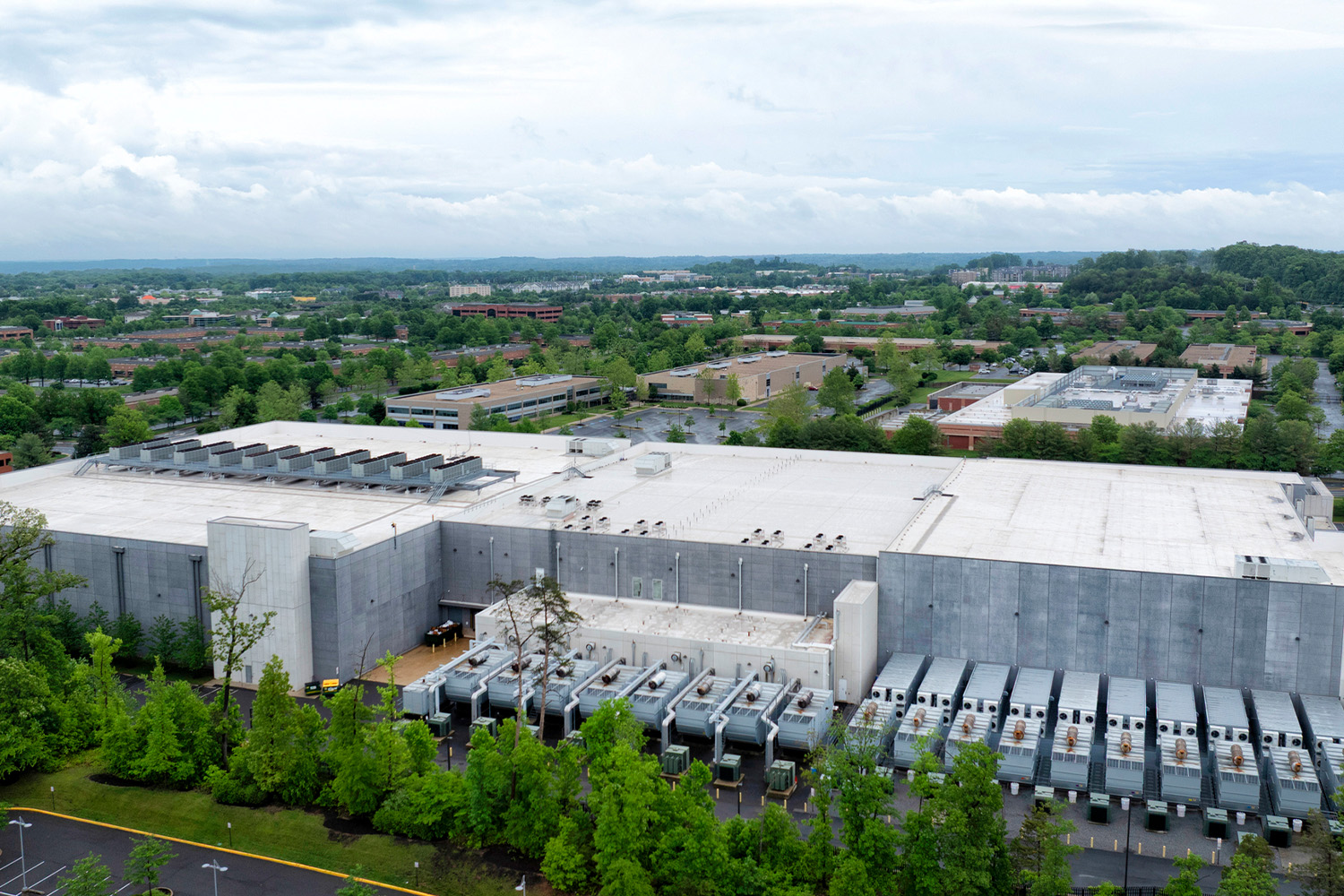
Spokane's data center market has a competitive advantage that most operators and developers are still in the process of fully recognizing: the city's cold climate is a free-cooling asset of substantial value. Data centers that use outdoor air economization, drawing cold ambient air to cool equipment rather than running mechanical chillers, can dramatically reduce their cooling energy consumption during the long Spokane winter and well into the shoulder seasons. This advantage, combined with access to low-cost hydroelectric power from the Columbia River system, makes Spokane one of the more attractive secondary data center markets in the Pacific Northwest for operators focused on operating cost optimization.
Avista Utilities, headquartered in Spokane, provides the region's electrical infrastructure and has been an active investor in smart grid and utility computing systems that are themselves a component of the local data center market. Providence Health & Services operates significant healthcare IT infrastructure in the Spokane area supporting its regional hospital network, with the data protection and privacy requirements that healthcare computing demands. Gonzaga University's computing infrastructure, while smaller in scale, represents the kind of institutional IT that requires professional roofing solutions. Together, these institutions define a market with steady, growing demand for mission-critical commercial roofing services.
Spokane's climate presents a demanding set of roofing stressors that data center operators must plan around. The inland Pacific Northwest climate delivers cold winters with meaningful snow loads, occasional ice storm events, warm dry summers with significant UV exposure, and seasonal wildfire smoke that, while not a direct structural concern, creates an air quality management challenge for facilities with outdoor air intake. The temperature range between a Spokane winter low and a summer high can approach 120 degrees Fahrenheit, creating significant thermal cycling stress on roof membranes, flashing materials, and edge metal systems.
Snow load design is a primary structural consideration for Spokane data center roofs. The region receives enough snowfall to generate meaningful roof loads, and drift accumulation at parapets, skylights, and equipment curbs can create localized loads that exceed the code-required uniform design load. Our roof designs account for both uniform and drift load conditions, with structural confirmation from the engineer of record and drainage system sizing that handles the rapid runoff from a spring thaw following a heavy accumulation season. Ice dam formation at eaves and drainage points is also addressed through appropriate insulation detailing and, where needed, heat trace provisions at vulnerable drain locations.
The cold climate advantage for free cooling in Spokane data centers has a direct implication for rooftop equipment configurations: facilities designed to maximize economization may have larger or more complex outdoor air intake systems, heat rejection equipment, and associated rooftop mechanical infrastructure than comparable facilities in warmer climates. Each of these rooftop elements requires careful integration into the waterproofing assembly, with flashing and curb details sized and detailed to handle both the thermal cycling of outdoor equipment and the high-performance waterproofing requirements of mission-critical facilities.
Providence Health & Services' Spokane facilities represent a specific category of data center roofing work that combines the technical requirements of mission-critical computing with the access and operational constraints of active healthcare campuses. Medical facilities cannot tolerate construction activity that creates risks of contamination, moisture intrusion, or service interruption, and our protocols for healthcare data center roofing work are specifically designed to satisfy the facility management standards that healthcare systems apply to all construction contractors. This includes infection control protocols, material handling requirements, and communication standards that keep the facility team informed of work activity at all times.
The free-cooling advantage in Spokane also creates year-round maintenance considerations. Outdoor air economization systems have air filters, dampers, and intake equipment on the roof that must be accessible for maintenance and protected from precipitation intrusion. Our rooftop detail designs accommodate maintenance access paths, provide weather protection for intake equipment, and integrate these systems into the waterproofing assembly in a way that allows servicing without compromising the membrane. We coordinate with the mechanical engineer to ensure that maintenance access requirements are considered during initial installation rather than solved as afterthoughts.
Spokane's wildfire smoke season has become a planning consideration for data center operators in the Inland Northwest. While smoke does not directly damage roofing assemblies, the need for outdoor air management during smoke events drives design choices, including the selection and positioning of intake equipment, that interact with the roofing scope. We are aware of these operational considerations and integrate them into our coordination discussions with mechanical engineers and facility operators during design development.
As the Inland Northwest's data center market matures and the region's energy advantages become better understood nationally, Spokane will likely see increased interest from operators seeking alternatives to the constrained and more expensive Western Washington market. Our technical capability and local market presence position us to serve both the existing institutional and utility data center market and the new construction that regional growth will generate.
Frequently Asked Questions: Data Center Roofing in Spokane
- How does Spokane's cold climate benefit data center energy efficiency, and how does that affect roofing design?
- Spokane's cold winters allow data centers to use outdoor air economization for free cooling during much of the year, dramatically reducing mechanical cooling energy consumption. This creates demand for more rooftop outdoor air equipment, intake louvers, mixing chambers, and exhaust systems, that must be integrated into the roofing assembly with appropriate weatherproofing and maintenance access details. The energy savings from this approach are substantial, and we design the roofing assembly to support it without compromise to waterproofing performance.
- What snow load provisions are required for Spokane data center roofs?
- Spokane's ground snow load drives roof structural design, with additional drift load provisions at parapets, equipment curbs, and roof geometry transitions. We specify drainage systems sized for spring thaw runoff rates and include heat trace provisions at drain bodies and horizontal runs where freeze blockage risk is elevated. Our designs are reviewed against the local building code snow load requirements and confirmed with the structural engineer of record for each project.
- How do you handle ice dam risk on Spokane data center roofs?
- Ice dams form when heat loss through the roof assembly melts snow that then refreezes at the cold eave or drain area. For data center roofs, continuous insulation assemblies that eliminate thermal bridging dramatically reduce the heat loss that drives ice dam formation. Where ice dam risk remains after insulation optimization, we specify electric heat trace systems at drains and drainage paths to maintain flow even when ambient temperatures are below freezing.
- What are the specific roofing requirements for a healthcare data center in Spokane?
- Healthcare data center roofing must satisfy both the technical requirements of mission-critical computing and the operational requirements of the healthcare campus environment. This includes infection control protocols during construction, dust and moisture containment to prevent any contaminant from entering ventilation systems or patient care areas, and communication protocols that keep the facility management team informed and in control of construction activity within their facility. We have developed specific protocols for healthcare facility roofing that satisfy Joint Commission and facility management standards.
- How do you assess whether an existing Spokane data center roof is prepared for winter?
- Our pre-winter inspection protocol for Spokane data center roofs includes membrane condition assessment with focus on seam integrity and winter stress points, drainage system flow testing and cleaning, equipment curb flashing inspection for deterioration that could allow water infiltration under freeze-thaw cycling, and insulation continuity check at vulnerable transitions. We also review the drainage system's freeze protection provisions and confirm that heat trace systems are operational before cold weather arrives.