

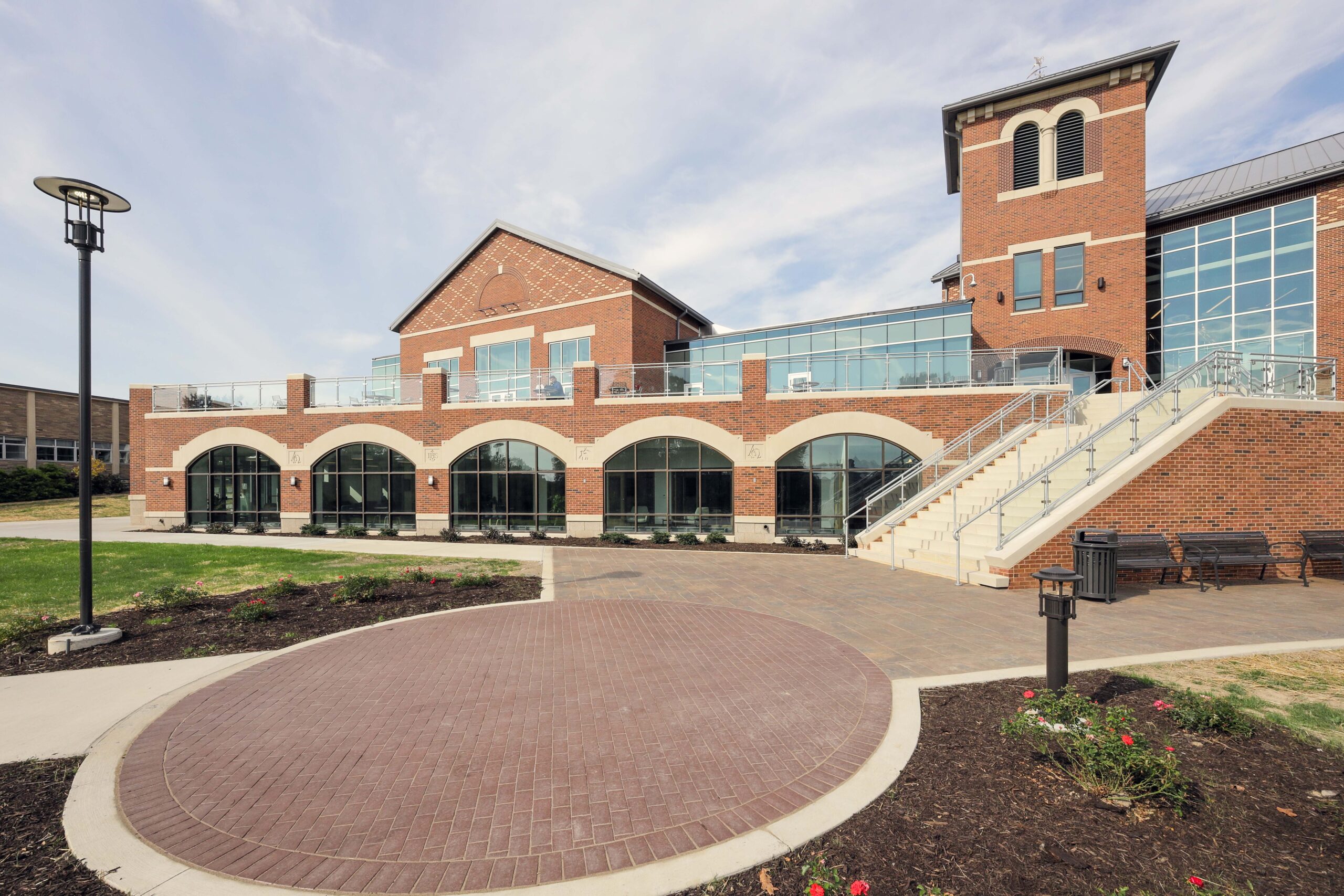
Gonzaga University,a Jesuit liberal arts and professional school institution in Spokane's Gonzaga neighborhood along the Spokane River,maintains a campus of significant architectural range, from the 1890s Collegiate Gothic original buildings to contemporary health sciences facilities and the iconic McCarthey Athletic Center. Gonzaga's commitment to historic preservation, combined with its growth into engineering and health professions programs that require sophisticated laboratory environments, creates a university roofing market where traditional craft skill and modern technical specification coexist in the same campus block. The university's national basketball program identity also creates a high-profile athletic facilities roofing component that demands both performance and aesthetic quality.
Semester scheduling at Gonzaga follows a traditional fall-spring calendar with a limited summer session, creating a roofing construction window from late May through mid-August. Gonzaga's summer athletic camps,a significant revenue source,keep residence halls occupied through much of July, and summer research programs maintain laboratory building activity through the construction window. We schedule active roofing work above occupied residence halls and laboratory buildings in coordination with Gonzaga facilities management, identifying available building-by-building windows and building phased project plans that maintain housing capacity throughout construction.
Gonzaga's historic buildings,particularly Administration Building (1898), Saint Aloysius Church, and the College Hall quadrangle structures,are Spokane civic landmarks as well as university assets. The Administration Building's clay tile roof, one of the most recognizable features of Gonzaga's identity, requires periodic tile repair and replacement using period-matched tiles sourced from specialty manufacturers who maintain profiles compatible with the original 1890s installation. We carry relationships with the small number of domestic and European suppliers who produce compatible tiles and manage the lead times,often three to six months,that specialty tile procurement requires.
Laboratory buildings in Gonzaga's Herak Engineering Center and Hemmingson Student Center require rooftop mechanical systems serving higher-intensity ventilation requirements than standard academic buildings. Dense HVAC equipment on engineering and science building roofs creates concentrated flashing penetration fields where improper installation is the most common source of warranty-eligible leaks. We photograph all flashing details during installation, maintain annotated as-built records showing penetration locations and flashing specifications, and reference these records during every subsequent maintenance visit to identify any changes in condition.
LEED certification is a goal for Gonzaga's newer buildings and influences renovation specifications across the campus. The university's Sustainability and Energy Office tracks building performance and expects capital project documentation to support ongoing reporting. Re-roofing projects on Gonzaga buildings must document cool-roof SRI values, insulation R-value improvements, and waste diversion, with documentation organized for Washington State energy code compliance as well as LEED credit submittals.
Campus programs at Gonzaga in architectural history and Jesuit intellectual tradition create a client culture that values preservation authenticity highly. The institution has invested in historic structure reports and preservation master plans for its landmark buildings, and roofing contractors are expected to align with the treatment approaches those plans define. We read and reference the preservation plans for every historic Gonzaga building before proposing any roofing intervention, ensuring that our recommendations are consistent with the broader preservation framework rather than technically correct but preservation-inconsistent.
Spokane's continental climate delivers both severe cold and intense summer heat, with the additional complexity of moderate but reliable winter snowfall that requires attention to roof drainage design. Gonzaga's riverside campus location along the Spokane River means that spring snowmelt events combine with rainfall to produce high-intensity runoff periods that test drainage capacity. We design roof drainage systems to handle the combined snowmelt and rainfall peak event for the Spokane area, with overflow scupper sizing that provides backup drainage if primary systems are blocked by debris during heavy snowmelt.
Seismic design at Gonzaga is a campus-level priority given Washington State's high-seismic environment. The university's historic buildings, many with unreinforced masonry construction, have been subject to seismic evaluation programs, and roofing work must not add loads or create details that compromise the building's seismic performance. We review proposed rooftop equipment additions against structural load limits established in the seismic evaluation documentation and design flashing transitions that accommodate post-retrofit structural movement parameters.
Athletic facilities roofing at Gonzaga,including the McCarthey Athletic Center and the Martin Athletic Center,presents a high-profile component where membrane aesthetics, durability under HVAC equipment maintenance traffic, and the operational continuity of nationally recognized athletic programs create elevated performance expectations. We use reinforced TPO with heavy-duty walkway pad systems in all maintenance traffic paths, protect membrane surfaces during equipment contractor visits with plywood shields, and schedule athletic facility roofing during the early summer window before basketball recruiting activities bring high-profile visitors to campus.
- How are clay tile repairs managed for Gonzaga's historic Administration Building?
- Period-matched clay tiles are sourced from domestic and European specialty suppliers who maintain compatible profiles; these tiles require three to six months of lead time, so procurement begins immediately upon project contract decision rather than at pre-construction start.
- What LEED documentation is expected for Gonzaga re-roofing projects?
- Washington State energy code compliance documentation, cool-roof SRI values, insulation R-value improvement records, and construction waste diversion data are required; we organize documentation in LEED credit submittal format for the Gonzaga Sustainability and Energy Office throughout construction.
- How does Spokane's snowmelt season affect roof drainage design at Gonzaga?
- Combined snowmelt and rainfall during spring creates peak runoff events requiring drainage capacity above what rainfall alone demands; overflow scuppers sized for the combined event prevent ponding loads that would stress the roof structure and accelerate membrane fatigue at low points.
- How are roofing specifications coordinated with Gonzaga's historic preservation plans?
- We read and reference the historic structure reports and preservation master plans for each landmark building before proposing interventions, ensuring recommendations align with the defined treatment approach rather than being technically sound but inconsistent with the broader preservation framework.
- What scheduling approach is used for athletic facility roofing at Gonzaga?
- Athletic facilities are scheduled in the early summer window before basketball recruiting visits bring high-profile visitors to campus; reinforced TPO with heavy-duty walkway pads protects membrane during the year-round equipment maintenance traffic that athletic facilities experience.